
Custom Logo Design: Crafting Your Brand Identity

When it comes to creating a memorable brand, your logo is the first thing people notice. It’s like the face of your story, the visual handshake that invites readers, parents, and educators to explore what you have to offer. For those of us working in children’s books and educational content, a logo isn’t just a pretty picture - it’s a symbol of trust, creativity, and imagination. So, how do you craft a logo that truly represents your brand? Let’s dive into some unique logo design tips that will help you stand out and connect with your audience.
Why Your Logo Matters More Than You Think
Before we get into the nitty-gritty of design, let’s chat about why your logo is so important. Think of it as your brand’s ambassador. It appears on book covers, websites, social media, and marketing materials. A well-designed logo:
Builds recognition: People remember visuals faster than words.
Communicates your style: Whether whimsical, educational, or adventurous, your logo sets the tone.
Creates trust: A professional look shows you’re serious about your craft.
Differentiates you: It helps you stand out in a crowded market.
For example, a playful, colourful logo might attract young readers and their parents, while a sleek, simple design could appeal to educators looking for reliable content. Knowing your audience helps you tailor your logo to their expectations.

Unique Logo Design Tips to Make Your Brand Shine
Now, let’s get to the fun part - designing your logo! Here are some unique tips that will help you create a logo that’s not only beautiful but also meaningful.
1. Keep It Simple but Memorable
Simplicity is key. Think about logos like the classic Apple or Nike swoosh - simple shapes that are easy to recognise. For children’s books, this might mean using bold shapes, clear lines, and limited colours. Avoid clutter because too many details can confuse or distract.
2. Use Colours That Speak to Your Audience
Colours evoke emotions. Bright, primary colours often work well for children’s content because they’re cheerful and eye-catching. But don’t be afraid to experiment with pastels or muted tones if they fit your brand’s personality. Remember, colours should also look good in black and white for versatility.
3. Choose Fonts That Reflect Your Style
Fonts say a lot about your brand. A playful, hand-drawn font can feel friendly and approachable, while a clean sans-serif font might feel more modern and professional. Make sure your font is legible at all sizes, especially if your logo will appear on small book spines or website favicons.
4. Incorporate Meaningful Symbols
Symbols can tell a story without words. For example, a pencil, book, or whimsical character can instantly communicate your focus on children’s literature. Just make sure the symbol is unique and not overused in your niche.
5. Test Your Logo in Different Sizes and Formats
Your logo should look great everywhere - from a tiny social media icon to a large banner. Print it out, view it on screens, and see how it holds up. If it loses clarity or impact, simplify it further.
6. Get Feedback from Your Target Audience
Sometimes, what looks great to us might not resonate with others. Share your logo drafts with fellow authors, educators, or even parents and kids. Their insights can be invaluable in refining your design.
If you’re feeling overwhelmed or want a professional touch, consider exploring custom logo design services that specialise in children’s book branding. They can help bring your vision to life with expert creativity.
The Role of Storytelling in Your Logo Design
Here’s a little secret - your logo should tell a story. Since you’re creating content for children, your brand identity can be a part of the narrative. Think about the themes you explore in your books or educational materials. Is it about adventure, learning, friendship, or imagination? Your logo can subtly reflect these ideas.
For instance, if your stories focus on nature and exploration, incorporating leaf motifs or gentle curves can evoke that feeling. If your content is about creativity and art, splashes of colour or brushstroke elements might work well.
Storytelling through design helps your audience connect emotionally. It’s not just a logo; it’s a symbol of the journey you invite them on.
Practical Steps to Create Your Logo Today
Ready to get started? Here’s a simple step-by-step guide to help you design your logo:
Brainstorm Ideas
Write down words and themes that describe your brand. Think about your audience and what you want to communicate.
Sketch Rough Concepts
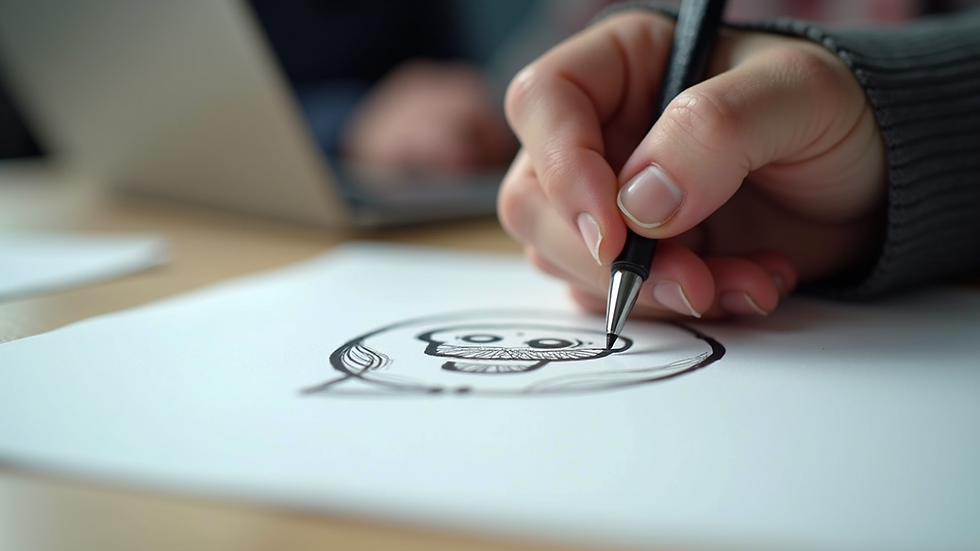
Don’t worry about perfection. Grab a pencil and paper and doodle ideas. Play with shapes, symbols, and fonts.
Choose Your Colour Palette
Pick 2-3 colours that complement each other and fit your brand personality.
Select Fonts
Try out different fonts and see which one feels right. Remember legibility is key.
Create Digital Versions
Use free tools like Canva or more advanced software like Adobe Illustrator to digitise your sketches.
Get Feedback
Share your designs with trusted friends or colleagues and ask for honest opinions.
Refine and Finalise
Make adjustments based on feedback and prepare different file formats for various uses.
If you want to save time or get a truly polished look, professional custom logo design services can be a great investment.
Keeping Your Logo Fresh and Relevant
Once your logo is ready, it’s tempting to just set it and forget it. But brands evolve, and so should your logo. Keep an eye on how your logo performs and how your audience responds. If you notice it feels outdated or doesn’t quite fit new projects, don’t be afraid to refresh it.
A logo refresh doesn’t mean a complete overhaul. Sometimes small tweaks like updating colours, simplifying elements, or modernising fonts can make a big difference.
Remember, your logo is a living part of your brand identity. Treat it with care and let it grow with you.
Bringing Your Brand to Life with Visual Consistency
Your logo is just the start. To build a strong brand, use your logo’s colours, fonts, and style consistently across all your materials. This includes:
Book covers and illustrations
Website and social media profiles
Marketing materials like flyers and newsletters
Educational resources and presentations
Consistency helps your audience recognise you instantly and builds trust over time. Plus, it makes your work look professional and polished.
Creating a unique and meaningful logo is an exciting step in building your brand identity. With these unique logo design tips, you’re well on your way to crafting a logo that captures the heart of your stories and connects with your audience. Remember, whether you design it yourself or seek expert help, your logo is the visual start of a wonderful journey.
Happy designing!


The article's emphasis on a logo's scalability is spot-on. When you have a strong primary logo, you might also need variations for different formats, such as a simplified icon for social media profiles. For creating a cohesive Instagram grid that showcases these variations, an image splitter can help you slice a single brand graphic into multiple tiles, ensuring your profile looks polished and on-brand.
Read "Custom Logo Design Services for Your Brand" a moment ago, and the practical angle stood out right away. Definitely bookmarking this one. sig figs practice